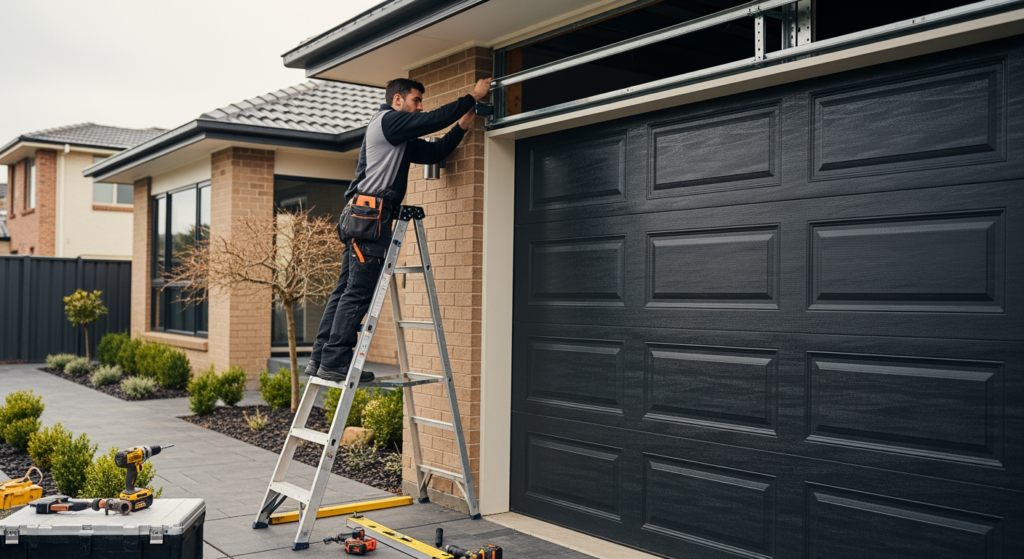
I never expected a squeaky, slow-moving door to disrupt my whole morning, but a stuck garage door can throw off an entire day. If you’re searching for reliable Garage Door Repair, you’re not alone — these systems are used dozens of times per week and wear out faster than many homeowners realize. For context on safety and injury prevention, the Consumer Product Safety Commission maintains guidance and recalls that help homeowners understand the risks and safety fixes for doors and openers, so it’s worth a quick look at their home page for safety alerts.
Why timely garage door repair matters
A garage door is more than an entryway. It protects vehicles and tools, secures the home, and contributes to curb appeal and energy efficiency. When a door malfunctions, it can pose serious safety risks, damage property, and let in drafts that raise heating and cooling bills. Waiting on repairs often turns a small problem into a much larger job and higher bill. I’ve learned that acting early usually saves time, money, and stress.
Common garage door problems and what they mean
Knowing the usual failure points helps you spot trouble early. Here are the problems I see most often and a simple explanation of what’s likely wrong.
- Door won’t open or close — Could be a motor failure, broken spring, or misaligned track. If the opener runs but the door doesn’t move, suspect the drive system or disengaged trolley.
- Loud grinding or squealing — Worn rollers, lack of lubrication, or failing bearings cause noise. These symptoms tend to worsen if ignored.
- Door is crooked when closing — Uneven springs or a damaged track usually cause this. It’s a safety issue and needs a pro to rebalance the door.
- Slow response or intermittent operation — Remote signal problems, safety sensor misalignment, or failing circuit boards can lead to inconsistent behavior.
When to try a DIY fix and when to call a pro
I always start with the simple checks and leave high-tension components to trained technicians. Here’s an easy rule: if the repair involves springs, cables, or the motor, call a professional. Those parts store dangerous energy and cause serious injury if handled improperly. For smaller issues, you can try a few safe fixes first to save a service call.
Safe basic checks you can do right now
Before you pick up the phone, run these simple diagnostics to gather facts for a repair tech or to fix minor issues yourself. These checks do not require tools and are low risk.
- Visually inspect the tracks and rollers for debris, dents, or obstructions and clear anything you find.
- Test the safety sensors by waving something in front of them; if they’re misaligned the door may not close.
- Try manually disengaging the opener and gently moving the door; if the door moves smoothly, the issue may be the opener rather than the door.
- Check batteries in remote controls and test wall switch operation to rule out simple power or signal issues.
How professionals diagnose and repair garage doors
When a technician arrives, they follow a reliable diagnosis path that helps avoid unnecessary parts replacement. Expect these steps during a professional visit: visual inspection, operation test, tension and balance checks, safety device tests, and an upfront estimate. I like asking the technician to show the problem and explain the recommended fix in plain language so I understand the value of the repair.
Typical repair costs and what affects pricing
Repair costs vary widely depending on the part and the complexity of the fix. Common factors that affect price include the type of spring (torsion vs extension), whether the door needs panel replacement, electronics or keypad replacement, travel and emergency fees, and whether weight balancing is required. Below are ballpark ideas so you can set realistic expectations, but remember local labor rates and part quality change the final number.
- Minor fixes like sensor realignment or lubrication: usually low cost and quick.
- Roller replacement or weatherstripping: moderate; parts are inexpensive but labor adds time.
- Spring replacement: this is commonly one of the higher single repair costs because springs are high tension and require skill to replace safely.
- Opener replacement: varies by model; smart openers or belt drives cost more than basic chain drives.
Trending topics in garage doors to consider
A couple of trends are reshaping how people think about their garage doors right now. First, smart garage door openers are becoming mainstream. They let you monitor and operate the door remotely, get activity alerts, and integrate with home automation. Second, battery backup openers are rising in popularity because power outages are more frequent in many regions. If you store important items or park an electric vehicle in your garage, a backup system can prevent access headaches during outages.
Seasonal maintenance that prevents emergency repairs
Simple seasonal maintenance keeps the door quieter and extends its life. I do these four tasks at the start of each season to avoid bigger problems later on.
- Clean and lubricate rollers, hinges, and tracks with a silicone-based lubricant; avoid grease that attracts dirt.
- Inspect cables and springs for rust or fraying; if you see damage, schedule professional service immediately.
- Check weather seals for cracks or gaps and replace if they’re letting drafts into the garage.
- Test auto-reverse safety features by placing a block on the floor under the door; it should reverse when it contacts the block.
Emergency repairs and safety steps to follow
If your door fails suddenly or becomes dangerous, take immediate, measured action. Here’s what I do to keep people and property safe until a technician can arrive.
- Disconnect the opener and use the manual release to close the door slowly; do not try to lift a spring-compromised door manually.
- Clear people and pets away from the door and its tracks to avoid injury from falling components.
- Secure vehicles or valuables inside the garage if the door won’t close; consider temporary boarding for vulnerable openings.
- Document the problem with photos or short videos for the technician so they can prepare parts or a plan before arrival.
Choosing a local technician
Picking the right repair company can make a stressful situation easier. Look for technicians who are licensed, insured, and who provide transparent written estimates before work begins. Read reviews to see patterns in punctuality, cleanup, and whether they stand behind their work with warranties. I always ask about parts brands and whether the technician will install OEM or aftermarket components, because that affects performance and lifespan.
How upgrades add value beyond repairs
When replacing parts or upgrading the opener, think of the door as a long-term investment. Upgrades like insulated panels reduce energy loss, which helps if your garage is attached to the house. A belt-drive opener is quieter and better for garages under living spaces. Smart openers add convenience and security by letting you check the door remotely and receive activity alerts. A small upfront cost can yield ongoing comfort and safety benefits.
Real homeowner scenarios and quick fixes that worked
I’ve seen homeowners save money by starting with a careful diagnosis. For example, a homeowner thought they needed a new opener when the door wouldn’t close. After a quick inspection, a tech found the safety sensors were out of alignment because of a knocked-out-of-place birdhouse post. Another time, frequent noisy starts were solved by replacing worn nylon rollers instead of the entire track system — a lower-cost fix that restored quiet operation.
Final advice before you book a repair
Be prepared when you call for service. Describe the symptoms, note when the issue started, and provide any recent events like storms or impacts that could be related. Ask for an estimated arrival window and whether the company charges a diagnosis fee. If a tech recommends replacement parts, get a clear written estimate that lists parts, labor, and warranty terms so you can compare with other providers if you choose.
When you’re ready for professional help, I recommend choosing a local company that offers prompt emergency response, transparent pricing, and clear communication about safety. A trusted repair partner can keep your door running smoothly, quiet, and safe for years, and they’ll help you prioritize repairs versus upgrades to match your budget and long-term goals.
For dependable service and quick answers to questions about garage door safety, repairs, and upgrades, consider contacting AA Garage Door. They can inspect your system, explain options, and get your door back to reliable operation.