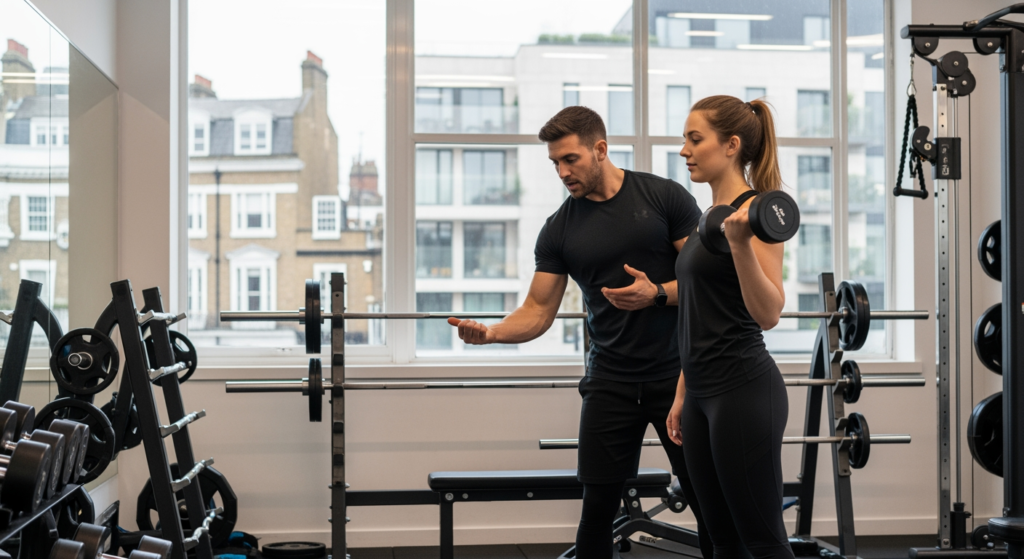
When I first started exploring fitness options around Islington, the search that kept coming up was Personal Trainer Islington. I wanted straightforward, local help that fit into life on Upper Street, near Angel and Highbury, and that respected how busy life in the city can be. If you’re thinking about getting a coach, it helps to know what to expect and which trends are shaping training right now. For background on recommended activity levels and health guidance, the NHS sets simple weekly targets that many local trainers use when they design plans.
Why people in Islington choose a personal trainer
Islington is lively, dense, and full of options for staying active: parks, studios, and compact flats that need clever workouts. People turn to a personal trainer in the area for a few common reasons: faster progress than going it alone, expert technique coaching to avoid injury, and a schedule that actually fits around work, family, and social life. Trainers also bring variety, which keeps results coming and boredom away.
I work with a lot of clients who tell me they’re tired of wasting time on generic workouts that don’t match their goals. A local trainer can tailor a plan to the streets of Islington — quick bodyweight routines for small spaces, gym sessions near Angel, or outdoor circuits in Barnsbury Fields. Trainers also understand local constraints like commuting time and seasonal weather, so the plan is realistic.
What to expect in your first few sessions
Starting with a trainer should feel simple and empowering, not intimidating. In my experience, the first sessions focus on understanding where you are, what you want, and what will realistically fit into your week. Expect to discuss your health history, daily routine, and any aches that have been bothering you. A good trainer asks questions and listens first, then coaches.
Assessment and goal-setting
The initial assessment is more than a weigh-in. It typically includes a movement screen to check mobility, a discussion of past injuries, and a clear set of short- and long-term goals. This step creates a baseline to measure progress and helps prevent programs that are either too easy or too risky. We set simple targets: performance milestones, how many sessions per week you can commit to, and lifestyle changes to support training.
Programming and sessions
Based on the assessment, you’ll get a tailored plan that mixes strength, mobility, and conditioning. Sessions might be one-to-one or small-group, indoors or outside, and can include online check-ins. Early sessions focus on mastering technique and building confidence. If you’ve got limited equipment at home or a packed workweek, trainers adapt. Progress gets tracked with measurable checkpoints so you know exactly how you’re improving.
Common problems local clients bring and how a trainer fixes them
Many people in Islington come to a trainer with similar frustrations. Here are four common issues and clear ways a trainer removes the roadblocks.
- Plateaued progress: Trainers change variables—load, tempo, volume—to restart gains and prevent burnout.
- Time constraints: Short, high-impact sessions and micro-workouts keep consistency without long gym visits.
- Pain during workouts: Technique coaching and corrective exercises reduce pain and help clients train pain-free.
- Motivation dips: Accountability through scheduled sessions and check-ins keeps momentum steady.
Training options that suit life in Islington
There isn’t one right way to train here. Your trainer should offer flexible options that fit your lifestyle. Many locals choose a mix of live sessions and digital support. Here are formats that work well in this part of London:
One-to-one sessions in a private studio let you focus without the gym buzz. If you prefer fresh air, outdoor sessions in local green spaces can lift mood and use bodyweight progressions. Online coaching is great for people who travel for work or have irregular schedules; it keeps the plan moving and allows quick adjustments to training loads. Hybrid models—combining two in-person sessions a week with short virtual check-ins—are increasingly popular because they balance hands-on coaching with convenience.
Small equipment that delivers big results
You don’t need a full gym to get stronger. I often suggest a few compact pieces that allow a huge range of workouts and fit neatly into city flats. These are easy to store and travel with if you spend weekends outside the city.
- Adjustable dumbbells: Compact and versatile for pressing, rowing, and squat variations.
- Resistance bands: Great for warm-ups, mobility, and adding tension to bodyweight moves.
- Kettlebell: Useful for swings, single-leg work, and conditioning circuits.
- Yoga mat: Useful for core work, mobility, and steady-ground exercises in small spaces.
With these tools, a trainer can design progressive workouts that match big gym results without the commute. For people renting small flats, trainers often create circuits that require minimal space and equipment.
Pricing expectations and value
Costs vary depending on the trainer’s experience, session length, and whether training happens in a studio or outdoors. In central London areas like Islington, private sessions tend to be priced higher than group classes because of the one-to-one attention and bespoke plans. Instead of fixating only on hourly rates, look at the package value: goal-based programs, nutrition support, progress tracking, and availability outside regular hours can make a package more cost-effective in the long run.
Ask potential trainers about trial sessions or short starter packages. A good coach will offer a clear structure: how many sessions it takes to see visible change, what homework or nutrition guidance you’ll get, and what success looks like at 6, 12, and 24 weeks. That transparency helps you choose a plan that fits both budget and goals.
Trends to watch for personal training in 2026
Two big trends are shaping how people train, and both are common in Islington.
First, wearable tech and smarter tracking are changing coaching. Smartwatches, heart-rate monitors, and apps let trainers track recovery, sleep, and workout intensity between sessions. When used well, this data helps tailor training loads and prevent overtraining.
Second, hybrid and remote training remain strong. Post-pandemic habits haven’t fully reverted; many clients enjoy mixing virtual support with in-person workouts. This model helps maintain consistency while cutting commute time and increasing scheduling flexibility.
Both trends make training more personal and evidence-based. Trainers who combine solid coaching fundamentals with smart use of tech and flexible delivery models tend to produce the best long-term outcomes for busy city clients.
How to choose the right trainer in Islington
Picking a trainer is personal. You want someone who understands your goals, respects your schedule, and communicates clearly. Here’s a short checklist to guide your decision-making process.
Look for relevant qualifications and ongoing education. Experience teaching safe technique is more important than flashy credentials. Ask for client stories or progress examples that match your goal. Pay attention to whether the trainer asks about your injuries and daily life—they should design programs that fit your whole life, not just a one-hour block.
Trust your first session. A good coach will listen more than talk, explain why they choose certain exercises, and give you realistic short-term targets. If you leave the session with clear next steps and a plan you believe you can follow, you’ve likely found a good match.
Practical steps to get started this week
If you’re ready to take the next step, a simple plan will keep you on track without overwhelm. Start by booking a short consultation. Use that time to explain your goals, constraints, and past training history. Ask about trial sessions and whether they offer small online check-ins between sessions. Then commit to a clear, short-term plan—eight to twelve weeks is a realistic window to start seeing measurable change.
On day-to-day planning, try these coaching-supported habits: schedule training like an appointment in your calendar so it’s non-negotiable; pick two small nutrition habits to focus on rather than a full overhaul; and track one measurable metric—like number of workouts per week or improvement in a strength move—to keep momentum.
If you live near Angel, Highbury, or Barnsbury, many trainers are experienced with short-session formats that slot into commute gaps or lunch breaks. Trainers who work locally typically understand how to build progress into small, consistent habits that work with the pace of life here.
Getting started doesn’t require perfect conditions. It requires a simple plan, a coach who listens, and consistency. The right trainer will meet you where you are and make the journey feel doable.
Whether you prefer a studio session, an outdoor workout in a nearby park, or a hybrid plan that blends face-to-face coaching with app-based check-ins, a qualified local coach can cut through confusion and speed up results. If you want a clear, practical first step, book an initial conversation and be ready to share your real week and real obstacles so your plan fits your life.
Finding a trainer in this area can change how you move through the city and through your day. If you want focused guidance, an adaptable program, and a coach who understands life in Islington, consider reaching out and trying a short starter package to see how it fits your routine.
When you’re ready to take that step, contact KB Personal Training for a tailored approach to training in Islington. I’ve seen how structured, local coaching helps people gain strength, confidence, and lasting habits — and a single, well-planned session is often enough to see the path forward clearly.