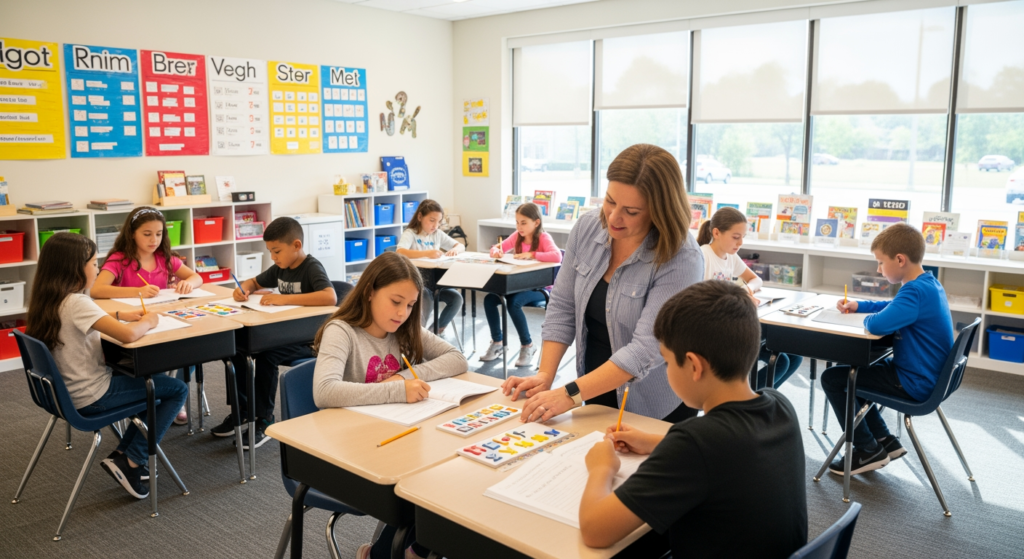
I remember how overwhelming it felt when we first suspected my child was struggling with reading. If you’ve begun that same journey, you’re probably searching for a trusted place that understands dyslexia and helps students thrive. A targeted option I recommend exploring is Dyslexia School Lawrenceville GA, and for helpful background on learning differences you can also review resources from the CDC.
Why a specialized dyslexia school can change everything
General classrooms often move quickly through reading instruction and assume that all students pick up decoding and fluency at a similar pace. A specialized dyslexia school slows down the process and targets instruction in ways that match how students with dyslexia learn best. In my experience, the combination of tailored teaching methods, smaller classes, and consistent progress monitoring produces real momentum. Families in Lawrenceville, GA, and neighboring areas like Duluth and Suwanee tell similar stories: once a child’s instruction aligns with their learning needs, confidence and reading skills grow together.
Signs that a child might benefit from a dyslexia-focused school
Not every child who reads slowly has dyslexia, but these concrete signs are common reasons parents consider a dyslexia school. If you’ve noticed multiple items below, it’s worth pursuing a formal evaluation and visiting local programs.
- Difficulty matching letters to sounds and trouble with phonics despite practice.
- Slow or strained oral reading with frequent guessing or word substitutions.
- Poor spelling and inconsistent word recognition across time.
- Frustration, avoidance of reading tasks, or declining confidence in schoolwork.
How dyslexia programs in Lawrenceville differ from regular schools
When I look at specialized programs, I focus on three practical differences that produce results: assessment-driven instruction, evidence-based teaching methods, and coordinated support services. Here’s what those look like in practice in this area.
Assessment-driven instruction
Good programs begin with a clear diagnostic evaluation to pinpoint phonological processing, decoding, and fluency gaps. That creates an individualized learning plan—often called an IEP-like plan even outside public school systems—that targets the exact skills a child needs to build.
Evidence-based, multisensory methods
Teachers trained in structured literacy approaches use multisensory techniques that simultaneously engage sight, sound, speech, and touch. These methods—rooted in Orton-Gillingham principles and other structured literacy frameworks—help students form stronger neural pathways for reading and spelling.
Wraparound services
Beyond classroom instruction, strong dyslexia programs connect speech-language therapy, occupational therapy when needed, and social-emotional supports. Coordination between specialists prevents gaps and reduces the need for parents to manage multiple providers separately.
Top questions to ask on a school tour
When I visit a program, I arrive with focused questions so I can judge fit quickly. You can use this checklist when touring schools in Lawrenceville or asking for virtual meetings with admission staff.
- What diagnostic tools do you use to identify dyslexia-related learning differences?
- Which structured literacy approaches do teachers follow, and what training do they receive?
- How are lessons individualized, and how is progress measured and communicated?
- What additional therapies or supports are available on campus or through partners?
What parents should expect from the first six months
Change takes time, but measurable gains are realistic within a few months with consistent instruction. Expect an initial evaluation, a clear learning plan, and weekly—or at least biweekly—communication about progress. Teachers should set short-term goals and show baseline work so you can see growth. In this area, parents often report improved decoding, better sight-word recognition, and a lift in classroom participation within the first semester.
Daily routines and homework that help reading development
I recommend simple, predictable routines that support what happens in school without turning home into a battleground. Focused, short practice beats long, stressful sessions. Here are practical habits I’ve seen work for families in Lawrenceville.
- Daily 10–15 minute structured reading practice that replays school lessons rather than introducing new material.
- Use of multisensory activities—letter tiles, air-writing, or tapping syllables—to reinforce skills.
- Reading for pleasure to build confidence: audiobooks plus follow-along reading helps comprehension and vocabulary.
- Clear, positive feedback that praises effort and strategy use, not just correct answers.
Trending approaches and tools in dyslexia education
Several trends are shaping how schools and families support readers today. I track these because they’re practical and often available in local programs.
Universal screening and early intervention
Schools nationwide are emphasizing early screening to catch reading challenges before they widen. Early identification often means lighter remediation and faster progress, which matters for families who want to avoid long-term gaps in reading proficiency.
Assistive technology and AI supports
Text-to-speech, speech-to-text, word prediction, and AI-driven reading aids are becoming standard classroom tools. These supports help students access grade-level content while they build decoding skills, and they can reduce stress during testing and classroom participation.
Blended learning and teletherapy
Blended models that combine in-person instruction with targeted online practice allow for consistent skill reinforcement. Teletherapy options for speech and reading therapy also expanded after recent years and remain a flexible solution for busy families.
Choosing a school that fits your child and your family
Location and schedule matter, but fit is about program philosophy and day-to-day experience. In Lawrenceville and the surrounding Gwinnett County neighborhoods, commutes can be part of the decision, so weigh the program’s quality against travel time. Ask about class sizes, teacher credentials, visibility into daily lessons, and the program’s approach to social-emotional growth. Visit during instruction time when possible and ask to observe a lesson or see sample student work.
How to evaluate results without getting stuck on test scores
Progress in reading happens in small steps. I advise parents to track practical indicators instead of fixating on a single score. Look for improvements in reading stamina, fewer pauses while decoding, clearer tracking of sound-symbol relationships, and stronger written expression. Regular progress reports from teachers that tie improvements to specific skill goals are more meaningful than raw percentiles.
Working with public schools and private programs
Many families blend supports: specialized instruction outside of school paired with accommodations inside public classrooms. If your child attends a local public school in Gwinnett County, coordinate with the district team so the strategies used in the dyslexia program align with classroom supports. If you choose a private dyslexia program in Lawrenceville, ask how they collaborate with schools to implement accommodations and testing modifications.
Paying for specialized services
Costs vary. Some families use private pay for intensive instruction, while others access public services through the school district after an evaluation. Grants, nonprofit scholarships, and flexible spending accounts can sometimes help, so ask programs about financial options and community resources in Lawrenceville that may offset fees.
Real stories: what progress can look like
Parents I talk to often highlight the same turning points: the day their child read a full page aloud without frustration, the first homework assignment completed without tears, or the moment the student asked to read for pleasure. Those milestones reflect both skill gains and emotional shifts. In my view, the best programs focus on reading mechanics and on rebuilding a child’s relationship with learning.
Next steps for families in Lawrenceville
If you’re ready to take the next steps, start with a targeted evaluation and a school visit. Bring notes about your child’s strengths and challenges so staff can match instruction to real needs. Expect clear, actionable feedback and a proposed plan you can test for a defined trial period—often a semester. Above all, look for a program that treats your child as capable and keeps parents informed and involved.
Finding the right fit in Lawrenceville, GA, takes patience, but it’s worth it. A program that uses structured literacy, multisensory lessons, and coordinated supports can change a child’s school experience and lifelong relationship with reading.
I invite you to see how local expertise and focused instruction can make a difference. For families ready to explore options, the Sage School is accepting inquiries and offers tours of its dyslexia-focused programs in the Lawrenceville area. Learn more by visiting Sage School.