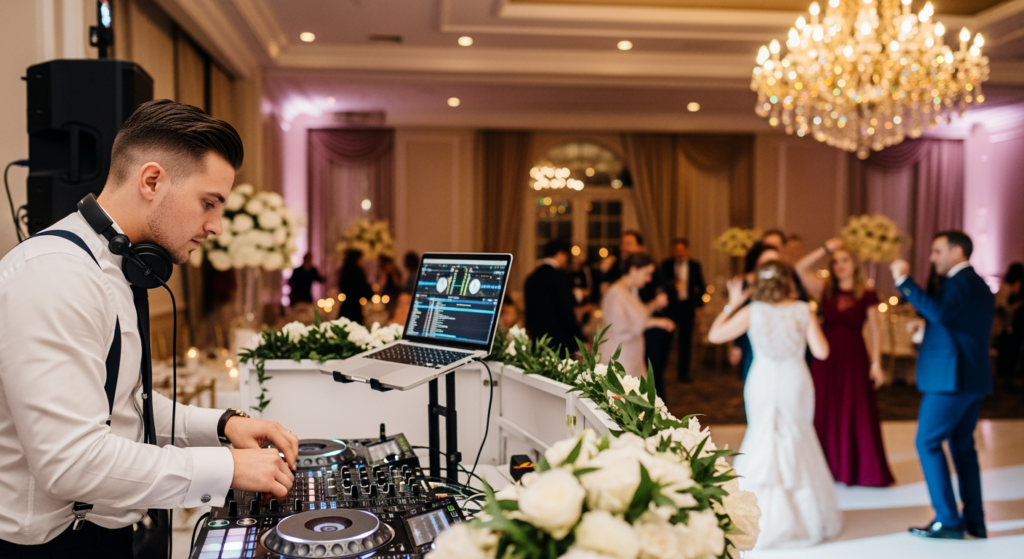
When you start planning music for your big day, one of the first searches many couples type is wedding dj near me. I’ve helped dozens of couples in and around London plan soundtracks that feel personal, keep everyone dancing, and solve the kinds of hiccups that can turn a great reception into a stress fest. If you want facts about how many weddings happen in the UK and trends shaping ceremonies, check general guidance from the government’s wedding and civil partnership pages at GOV.UK. Below I’ll walk you through practical steps, red flags, and up-to-the-minute trends so you can hire a pro who fits your vibe and your venue.
Why choosing the right wedding DJ matters
Picking the right wedding DJ does more than fill time between speeches. The right pro reads the room, mixes transitions so energy stays steady, handles announcements cleanly, and coordinates with photographers and venue staff. A great DJ boosts confidence—the couple, their families, and the band of guests that came to celebrate. On the flip side, a mismatched performer can kill momentum, create awkward silences, or play the wrong song at the wrong moment.
What a professional wedding DJ actually does
A professional wedding DJ provides music curation, sound equipment, announcements, and event timing. They’ll liaise with your venue about load-in times and power, work alongside ceremony musicians or live bands, and often provide lighting to improve the dance floor atmosphere. Too many couples think a DJ is only a playlist operator; a well-trained DJ is an event manager who uses music to shape emotional beats throughout the day.
Local search tips to find the best match
Searching “wedding dj near me” is a great start, but local discovery has a few smart moves that make the search faster and safer. Narrow searches by venue compatibility, experience with your ceremony type, and availability for setup and breakdown. If you’re in London, check how familiar a DJ is with venues in Camden, Shoreditch, or Chelsea because each hall or pub will have different acoustic and load-in challenges.
How to use search results effectively
Start with 3–5 local candidates. Look beyond a homepage; read recent reviews and note specific mentions of timelines, communication, and problem-solving. Pay attention to whether the DJ lists insurance, PAT-tested equipment, and backup plans. When you call, listen for responsiveness and flexibility—those are often more important than a flashy demo video.
Questions to ask before you book
These quick questions separate pros from weekend hobbyists. Ask early to avoid surprises the week of the wedding.
- Do you have public liability insurance and equipment insurance?
- Can you provide a sample playlist or links to full sets you’ve played at weddings?
- What’s your backup plan if equipment fails or you’re unwell?
- Are you familiar with our venue and its load-in constraints?
How to evaluate sound, lighting, and technical setup
Good sound starts with appropriate kit for the size and acoustics of the room. A DJ that brings a PA system sized for a club will overpower an intimate marquee; too small a system will sound thin at peak time. Lighting matters less for sound but is a huge mood-setter for photos and the dance floor. Ask about the DJ’s lighting rig and whether it’s quiet during speeches and photo ops.
Technical red flags to avoid
Watch out for DJs who won’t confirm the type of inputs and power requirements with the venue ahead of time, those who refuse to provide an on-site soundcheck, or those who rely solely on streaming from a mobile device without redundancy. A solid pro arrives with backups: spare laptop, cables, and a second source of music.
Pricing, packages, and what’s usually included
Wedding DJ pricing varies by region, experience, and services. Typical packages include ceremony sound, background music for drinks and canapés, and a reception/dance-floor set. Extras can be uplighting, a second DJ, photo-booth style microphones for speeches, or a rehearsal attendance. Always ask for a full, written quote so you know what’s included and what’s extra.
How to compare quotes fairly
Don’t just compare prices—compare deliverables. A cheaper fee might mean no insurance, older gear, or no time for pre-wedding planning. Look for transparent arrival times, the number of hours covered, overtime rates, and travel fees. A professional DJ will be clear about cancellation policies and how they handle sudden changes to the schedule.
Common concerns couples have and how a DJ can solve them
Couples often worry about awkward transitions, clashing music tastes among guests, or a lack of atmosphere. Here’s how an experienced DJ addresses those worries:
- For mixed-age crowds, a skilled DJ sequences tempo and familiarity so older guests feel comfortable first, then brings the younger crowd in with modern remixes and singalong anthems.
- If guests have divergent musical tastes, DJs create short, themed blocks (retro, chart hits, indie) to keep everyone engaged while avoiding sudden jumps that evaporate the energy.
- For nervous couples, DJs offer a run-through of key moments—entrances, first dance, speeches—so timing and volume are just right on the day.
Trends to watch in wedding entertainment
Two trends are changing how couples plan music now. First, micro and intimate weddings—smaller guest lists and multiple short celebrations—mean DJs are offering tailored, modular packages that work for both short ceremonies and longer receptions. Second, live-streamed and hybrid weddings still matter: DJs are adapting sets and equipment to sound great over a livestream without drowning out on-site guests. I’ve also seen growing demand for eco-friendly and local-sourced vendors, which can shape how couples choose equipment and logistics.
How to create a wedding playlist that actually works
Making a playlist is easy; making one that gels for five to eight hours is the art. Start by picking three to five “must-play” songs for key moments—entrance, first dance, parent dances, and a few ceremony tunes. Then provide a broader “do-not-play” list. Trust your DJ to fill the gaps and sequence songs so the night builds naturally instead of peaking too early.
Sample approach to playlist planning
I recommend this simple method when working with couples: choose the mood for each phase of the day (ceremony, cocktail hour, dinner, party), list 4–8 songs you love for each phase, and flag any absolute no-go tracks. Let the DJ suggest transitions and medleys to keep energy rising while honoring your musical tastes. This collaboration reduces stress and prevents too many last-minute requests from guests.
Practical booking steps and timelines
Timing matters. Here’s a practical timeline to help you book and prepare:
- 8–12 months before: Start searching and shortlist DJs by availability and early reviews.
- 4–6 months before: Book your DJ and confirm basic timeline and equipment needs with the venue.
- 1–2 months before: Finalize playlists, ceremony tracklist, and a list of must-play and do-not-play songs.
- 1–2 weeks before: Confirm arrival time, load-in details, and the final timeline with vendors.
Day-of coordination and what I handle for you
On the wedding day, the DJ becomes a communication hub. I coordinate with the venue manager about load-in and power, confirm the sequence with the photographer to time lighting for photos, and make announcements for speeches or cake cutting. I’ll also keep a discreet eye on the room and adjust levels in real time so the dance floor feels lively without announcements overpowering conversations.
Making the booking official
Always require a written contract that includes date, hours, setup and breakdown times, payment schedule, cancellation policy, and a statement about how song requests are handled. If the DJ asks for a deposit, confirm whether it’s refundable and under what conditions. A solid contract protects you and the pro you hire.
Final checklist before you sign
Before you say yes, make sure these items are covered so you have confidence the music side of the day runs smoothly:
- Signed contract with clear schedule and cancellation terms
- Insurance and backups listed
- Confirmation of venue access times and power requirements
- Clear plan for special songs, announcements, and the first dance
Why local knowledge matters
Local experience makes a real difference. DJs who know popular venues in the city understand load-in windows, where to park for gear, and which rooms will need more acoustic treatment. They’re also likely to have relationships with photographers and coordinators in the area, which streamlines communication and reduces the chance of technical surprises on the day.
Wrapping up and next steps
When you search “wedding dj near me,” remember you’re hiring more than someone with a playlist. You’re hiring an event partner who manages energy, solves problems, and helps your day flow. Start with a shortlist, ask the right questions, check insurance and backups, and give your DJ room to do their job. If you plan around key milestones, confirm details early, and pick someone who communicates clearly, you’ll create a soundtrack that feels effortless and true to you.
Ready to talk through music ideas and logistics for your wedding in London or the surrounding area? I invite you to reach out to Spin Sisters to check availability, discuss packages, and plan a playlist that keeps your dance floor full.