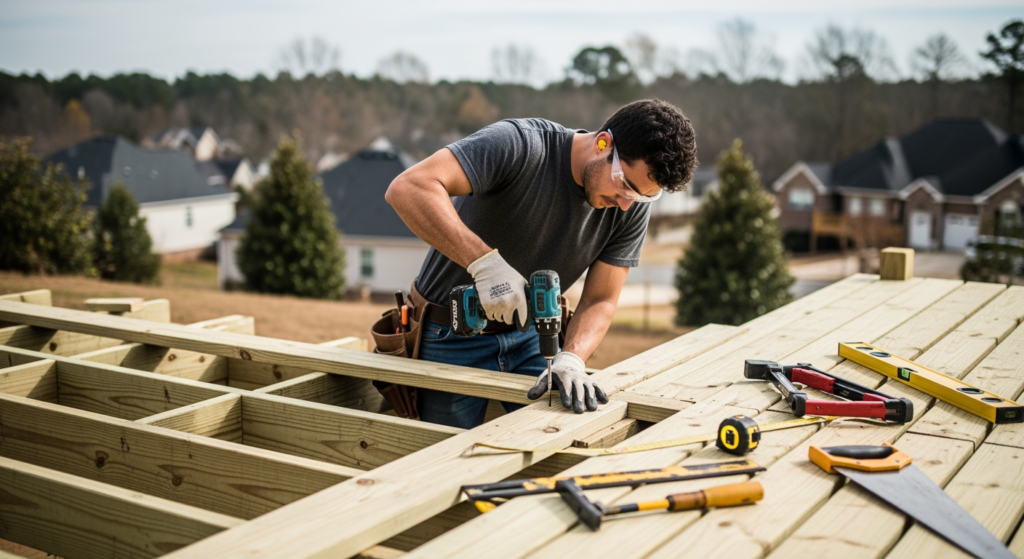
I love helping neighbors turn backyard ideas into outdoor spaces that actually get used. If you’ve been searching for a reliable deck builder athens ga, you’re not alone — outdoor living has become a top priority for homeowners around the University of Georgia and beyond. For local context and inspiration, the University of Georgia homepage is a great place to see how campus life blends indoor and outdoor spaces University of Georgia.
Why Athens homeowners are choosing to invest in decks
Living in Athens means long warm seasons, a lively community, and lots of opportunities to entertain outdoors. A thoughtfully designed deck increases usable living space and adds resale value. I often tell homeowners the right deck becomes the hub for weekend barbecues, quiet mornings with coffee, and a safe spot for kids and pets to play.
Across the city, homeowners are prioritizing low-maintenance decking, multi-level layouts that work with slope, and designs that create privacy from neighboring lots. Good design answers common pain points: standing water after heavy rains, fading wood in summer sun, and decks that feel disconnected from the house or yard.
What to consider before you hire a deck builder
Before you call a contractor, do a little groundwork. Knowing what you want and what you’re willing to spend saves time and avoids surprises. Think about how you use outdoor space today and how you might use it five years from now. That helps you choose the right size, style, and materials.
Key questions to ask yourself
- How many people will use the deck regularly — a small family, frequent guests, or large groups?
- Do you want a simple platform, multi-level decks, or built-ins like benches and planters?
- Is low maintenance a must, or do you prefer natural wood that ages over time?
- Do you need railings, stairs, or accessibility features?
Common deck materials and which work best in our climate
Materials shape cost, maintenance, and how the deck looks over time. Here are the most common choices and why Athens homeowners pick them.
Pressure-treated wood
Pressure-treated pine is affordable and widely available. It resists rot and insect damage better than raw wood, but it requires annual maintenance like sealing or staining to keep it looking fresh. If you choose wood, plan for a maintenance budget and schedule.
Natural hardwoods
Hardwoods like ipe or mahogany are durable and attractive, but they’re costly and can be difficult to work with. They resist rot and insects, and with proper installation they can last for decades. Expect a higher initial price and less need for frequent replacement.
Composite decking
Composite boards combine wood fibers and plastic. They resist fading, staining, and moisture much better than wood, and they often come with long warranties. Many Athens homeowners appreciate composite for its low maintenance and a wide range of colors and textures that mimic real wood.
Aluminum and PVC options
For ultimate durability and low maintenance, aluminum or PVC decking works well. These options are lightweight, resist rot, and are great for modern designs. They’re typically more expensive upfront but can save money over time in reduced maintenance needs.
Design tips that make a deck feel custom to your home
Well-planned features make a simple deck feel intentional. I recommend integrating at least one of the following elements to elevate the space.
- Built-in seating or planters that remove the need for extra furniture and create flow.
- Multi-level areas to separate dining from lounging without using walls or fences.
- Lighting that keeps the space usable after sunset and improves safety on stairs and railings.
- Covered or partially covered sections to protect from afternoon sun or sudden showers.
How the building process works — step by step
Understanding the construction timeline reduces stress. A good builder will guide you through permitting, site prep, construction, and final inspection. Here’s a typical flow I follow when planning work in this area.
1. Initial consultation and layout
We meet on site to discuss goals, measure the yard, and review how the house and landscape affect layout. This is where you share must-haves and nice-to-haves so the estimate reflects real priorities.
2. Permits and local rules
Many projects in Athens require permits and must follow local building codes. Your contractor should handle permit applications or at least explain requirements. They’ll also confirm if HOA approvals are necessary. Getting permits right prevents delays and ensures your deck will pass inspection.
3. Material selection and scheduling
Once plans are finalized, material lead times and weather windows determine the start date. I advise choosing materials early because specialty items like certain composite colors or custom railings can add weeks to the timeline.
4. Site prep and foundation work
Crews set footings, pour concrete where needed, and ensure the substructure meets load requirements. Proper foundation work is the backbone of a deck that lasts.
5. Framing, decking, and finishing touches
After framing, decking boards are installed, and features like railings, stairs, and built-ins are added. The last phase includes clean-up, sealing wood when appropriate, and a final walk-through with the homeowner to make sure everything meets expectations.
Budgets and cost drivers for Athens projects
Deck costs vary widely depending on size, materials, and extras. In this area, expect to budget for the following cost drivers: material type (composite vs wood), railings and stairs, built-ins, and difficulty of site access. Slope or tight yards increase labor time and cost.
When planning a budget, include a contingency of 10–15% for unexpected issues like hidden rot on an existing deck or additional grading needs. Investing in durable materials often saves money down the road by reducing maintenance and replacement costs.
Permits, codes, and building smart in Athens, GA
Athens-Clarke County has specific codes that affect deck height, railing requirements, and distance from property lines. A qualified local builder will help you navigate rules so inspections go smoothly. Getting a permit protects you by ensuring the work follows safety standards and helps prevent problems when selling the home.
Maintenance and seasonal care for longer deck life
Regular upkeep keeps a deck safe and attractive. The right routine depends on your material choice, but these basics apply to most decks in our climate.
- Clear debris and leaves to prevent trapped moisture and staining.
- Clean the deck annually with a gentle cleaner to remove mildew and pollen.
- Inspect railings, stairs, and fasteners each season and replace worn components before they become safety hazards.
- Seal or stain wood decks every 2–3 years depending on exposure and product recommendations.
Local trends shaping deck design right now
Two trends stand out across the region. First, homeowners prefer low-maintenance composites paired with natural-looking finishes. Composites have improved dramatically in color stability and texture, giving the look of real wood with less fuss. Second, outdoor spaces are becoming multi-functional: kitchens, seating walls, and fire features let families use their yards year-round.
Smart lighting and integrated electrical outlets for outdoor speakers and grills are growing in popularity too. These small investments make a deck more usable and enjoyable after dark and add to the property’s appeal.
How a local builder can solve common pain points
Many homeowners worry about water drainage, slope, and privacy. A local contractor familiar with Athens neighborhoods knows common soil conditions, typical yard grades, and the best ways to handle stormwater runoff so your deck stays dry and stable. We also design privacy into the deck with planters, lattice screens, or smart placement that takes advantage of existing trees.
If you’re concerned about maintenance, choosing the right material and a reputable installer reduces future headaches. I always recommend discussing long-term care during the planning phase so you know what to expect before finalizing materials.
Practical tips to get the most value from your deck project
Small choices make a big difference in long-term enjoyment and value. Here are steps I suggest every homeowner follow when planning a deck in this area.
- Start with a realistic list of uses: dining, grilling, play, or quiet retreat. Design for your top two uses first.
- Choose materials that fit your schedule for maintenance. If you want “no sanding and staining,” go composite or PVC.
- Plan lighting and electrical needs now to avoid later retrofits that can be disruptive and expensive.
- Work with a licensed local builder who knows permitting and local soil and drainage issues.
Questions to ask a contractor before hiring
When evaluating bids, clarity matters more than the lowest price. Ask for a written scope, timeline, payment schedule, references, and warranty details. Confirm who’s responsible for permits and inspections and whether the bid includes cleanup and disposal of old materials.
Ask to see examples of finished projects in nearby neighborhoods. That helps you judge the quality of work in yards similar to yours and ensures the contractor has experience addressing community-specific challenges like slopes or tree roots.
Frequently asked questions
How long does a deck project usually take?
A straightforward deck can take one to two weeks from start to finish, depending on size and weather. More complex designs with built-ins, lighting, or grade changes may take longer. Expect some variation during busy seasons when contractors are scheduling multiple projects.
Do I need a permit?
Permits are often required for structural work, stairs, and any change that affects the property footprint. A local builder should confirm required permits and secure them on your behalf. Working without permits can create problems if you sell your home or if safety issues arise.
What’s the lifespan of different deck materials?
Pressure-treated wood can last 15–20 years with consistent maintenance. Hardwood species often last longer, up to 25–30 years. High-quality composite and PVC products can last 25 years or more when installed correctly and cared for according to manufacturer guidelines.
Wrapping up and how to get started
If you’re ready to move from idea to build, start with a clear wishlist, a basic budget range, and a simple site visit request from a trusted local pro. Ask for a detailed, written quote and check references from recent clients in the area. A good deck adds lifestyle value immediately and financial value over time when designed and built with care.
For Athens homeowners who want a reliable partner for design, permitting, and expert installation, I recommend reaching out to a local company that can provide recent project examples and a clear process. If you’re ready to discuss ideas or get a project estimate, contact Tipton’s Fine Tuned Carpentry to schedule a consultation and take the first step toward an outdoor space that fits your life.
Additional local context: Athens-Clarke County continues to grow, which keeps outdoor living projects in demand as homeowners look to maximize usable space and enjoyment of their properties. For broader demographic and planning info, explore the U.S. Census homepage for the latest local figures U.S. Census.